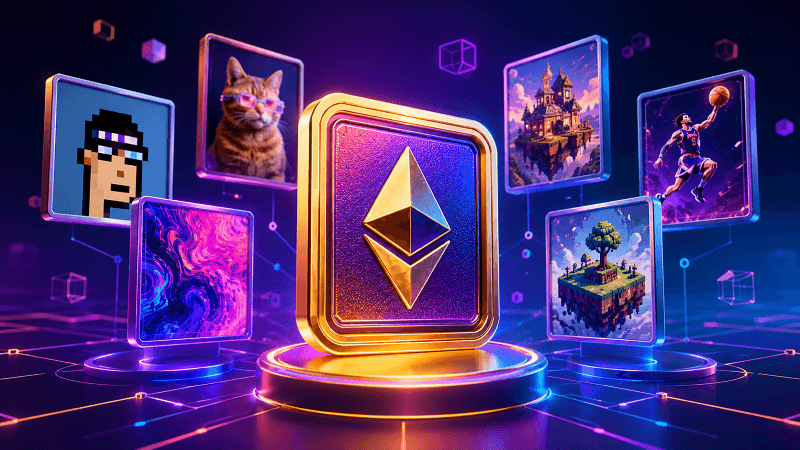
The digital world is constantly evolving, creating new ways for people to own, trade, and invest in assets online. One of the most significant innovations to emerge from blockchain technology is the Non-Fungible Token, commonly known as an NFT. Over the past few years, NFTs have transformed industries such as art, gaming, entertainment, sports, and digital collectibles.
For many beginners, NFTs may seem complicated at first. Terms like blockchain, digital wallets, smart contracts, and token ownership can appear overwhelming. However, understanding NFTs becomes much easier when these concepts are explained in simple language.
This comprehensive guide explores everything you need to know about NFTs, how they work, their benefits, risks, use cases, and what the future may hold for this rapidly growing technology.
What Are NFTs?
NFT stands for Non-Fungible Token.
To understand NFTs, it helps to break down the term:
- Non-Fungible means unique and cannot be replaced by another identical item.
- Token refers to a digital asset stored on a blockchain.
Unlike cryptocurrencies such as Bitcoin or Ethereum, NFTs are unique. One Bitcoin can be exchanged for another Bitcoin because they have equal value. However, an NFT represents something distinct and cannot be exchanged on a one-to-one basis with another NFT.
An NFT acts as proof of ownership for a digital or physical asset. This ownership is verified and recorded on a blockchain, making it transparent and difficult to alter.
According to nfts robthecoins, NFTs have become one of the most innovative applications of blockchain technology because they allow creators and collectors to establish verifiable ownership in the digital world.
How NFTs Work
NFTs operate on blockchain networks, with Ethereum being one of the most popular platforms. However, NFTs can also exist on blockchains such as Solana, Polygon, BNB Chain, and others.
When an NFT is created, a process called “minting” takes place. During minting:
- A digital file is uploaded.
- Ownership information is stored on the blockchain.
- A unique token is generated.
- The NFT becomes available for buying, selling, or trading.
The blockchain acts as a secure public ledger. Every transaction involving an NFT is recorded, allowing anyone to verify authenticity and ownership history.
Key Characteristics of NFTs
1. Uniqueness
Each NFT contains unique information that distinguishes it from every other token.
2. Ownership Verification
Blockchain technology provides transparent ownership records.
3. Scarcity
Creators can limit the number of NFTs available, increasing rarity.
4. Transferability
NFTs can be transferred between users through blockchain transactions.
5. Programmability
Smart contracts allow creators to set rules such as royalty payments for future sales.
The History of NFTs
Although NFTs gained mainstream attention in 2021, their origins date back much earlier.
Some key milestones include:
- 2014: Early NFT experiments emerged.
- 2017: CryptoPunks and CryptoKitties became popular.
- 2020: NFT adoption accelerated significantly.
- 2021: Major brands, celebrities, and artists entered the NFT market.
- 2022-Present: NFTs expanded into gaming, memberships, virtual worlds, and business applications.
The evolution of NFTs demonstrates how blockchain technology continues to create new opportunities beyond traditional cryptocurrencies.
Types of NFTs
NFTs come in many forms and serve different purposes.
Digital Art
Digital artists can tokenize their work and sell it directly to collectors.
Examples include:
- Illustrations
- Paintings
- Photography
- 3D artwork
- Animations
Music NFTs
Musicians use NFTs to sell exclusive tracks, albums, and fan experiences.
Gaming NFTs
Many blockchain games allow players to own:
- Characters
- Weapons
- Skins
- Virtual land
- Collectibles
Sports Collectibles
Sports organizations have introduced NFT trading cards and memorable moments.
Virtual Real Estate
Virtual worlds allow users to purchase digital land represented by NFTs.
Membership NFTs
Businesses and communities use NFTs to grant access to exclusive content, events, and services.
Why NFTs Became Popular
Several factors contributed to NFT popularity.
Creator Empowerment
NFTs allow creators to monetize their work without relying solely on intermediaries.
Digital Ownership
For the first time, digital assets could have verifiable ownership records.
Investment Opportunities
Some investors view NFTs as speculative assets with growth potential.
Community Building
Many NFT projects create communities around shared interests and goals.
Innovation
NFTs introduced new possibilities for gaming, entertainment, and digital commerce.
Benefits of NFTs
1. Authenticity
Blockchain records help verify whether an NFT is genuine.
2. Transparency
Transaction histories remain publicly accessible.
3. Creator Royalties
Artists can earn royalties whenever their NFTs are resold.
4. Global Accessibility
Anyone with internet access can participate in NFT marketplaces.
5. Reduced Intermediaries
Creators can connect directly with buyers.
6. New Revenue Streams
Businesses and individuals can explore innovative monetization models.
Risks Associated With NFTs
Despite their advantages, NFTs also carry risks.
Market Volatility
NFT prices can fluctuate dramatically.
Speculation
Many buyers purchase NFTs hoping prices will rise.
Scams
Fake projects and fraudulent sellers exist.
Regulatory Uncertainty
Government regulations continue to evolve.
Liquidity Challenges
Finding a buyer for certain NFTs may be difficult.
Understanding these risks is essential before investing money into NFTs.
How to Buy NFTs
Purchasing an NFT generally involves several steps.
Step 1: Create a Digital Wallet
Popular wallets include:
- MetaMask
- Trust Wallet
- Phantom
- Coinbase Wallet
Step 2: Purchase Cryptocurrency
Most NFT marketplaces require cryptocurrency for transactions.
Step 3: Choose a Marketplace
Common NFT marketplaces include:
- OpenSea
- Blur
- Magic Eden
- Rarible
Step 4: Browse Collections
Research projects carefully before making purchases.
Step 5: Complete the Transaction
Once purchased, the NFT is transferred to your wallet.
How to Create and Sell NFTs
Many creators are interested in launching their own NFTs.
Create Digital Content
Develop artwork, music, videos, collectibles, or other digital assets.
Select a Blockchain
Choose a blockchain network that supports NFTs.
Mint the NFT
Upload your file and create the NFT through a marketplace.
Set Pricing
Options often include:
- Fixed price
- Auction
- Timed sale
Promote Your NFT
Marketing is essential for attracting potential buyers.
NFT Marketplaces Explained
NFT marketplaces function similarly to online stores.
Their primary functions include:
- Listing NFTs
- Buying and selling assets
- Managing transactions
- Facilitating auctions
- Displaying ownership records
Different marketplaces specialize in different types of NFTs, making research important before participating.
NFTs in Gaming
Gaming is considered one of the most promising NFT sectors.
NFT gaming allows players to:
- Own in-game assets
- Trade items with others
- Earn rewards
- Participate in digital economies
Traditional games typically retain ownership of virtual items. NFT-based games transfer ownership to players.
This shift has the potential to reshape the gaming industry significantly.
NFTs and Digital Art
Digital art remains one of the most recognized NFT categories.
Benefits for artists include:
- Global audience reach
- Ownership verification
- Automated royalties
- Reduced dependence on galleries
Collectors benefit from verifiable authenticity and transparent ownership histories.
NFTs in Business
Businesses are increasingly exploring NFT applications.
Potential uses include:
Loyalty Programs
NFTs can serve as digital membership cards.
Event Tickets
NFT tickets help reduce fraud and counterfeiting.
Brand Engagement
Companies use NFTs to create unique customer experiences.
Digital Collectibles
Brands offer limited-edition digital merchandise.
As adoption increases, business applications for NFTs are expected to expand.
Common NFT Myths
Myth 1: NFTs Are Only Digital Images
NFTs can represent many asset types beyond images.
Myth 2: NFTs Have No Utility
Many NFTs provide memberships, access rights, or functional benefits.
Myth 3: NFTs Are Only for Investors
Creators, businesses, gamers, and collectors all use NFTs.
Myth 4: NFTs Are Guaranteed Profits
No investment guarantees returns.
Careful research remains essential.
The Future of NFTs
Experts continue to debate the long-term future of NFTs.
Several trends may shape future adoption:
Greater Business Integration
More companies are exploring NFT-based products and services.
Improved User Experience
Wallets and marketplaces are becoming easier to use.
Expansion Into Real-World Assets
NFTs may eventually represent:
- Real estate
- Contracts
- Certificates
- Luxury goods
Enhanced Utility
Future NFTs could offer broader practical applications beyond collectibles.
Mainstream Adoption
As technology improves, NFTs may become a standard component of digital ownership.
Many analysts highlighted by nfts robthecoins believe future NFT success will depend less on speculation and more on utility, real-world value, and sustainable communities.
Tips for Beginners
If you are new to NFTs, consider the following recommendations:
Research Thoroughly
Never buy an NFT solely because it is trending.
Understand the Project
Review the team, roadmap, and community.
Start Small
Avoid investing more than you can afford to lose.
Prioritize Security
Protect wallet credentials and private keys.
Focus on Long-Term Value
Look for projects with meaningful utility rather than short-term hype.
Are NFTs Worth It?
The answer depends on your goals.
NFTs may appeal to:
- Collectors seeking digital ownership
- Artists looking for monetization opportunities
- Gamers interested in asset ownership
- Businesses exploring innovative engagement strategies
- Investors willing to accept higher risk
Like any emerging technology, NFTs present both opportunities and challenges. Success often depends on education, research, and responsible decision-making.
As emphasized throughout nfts robthecoins, understanding the technology behind NFTs is more important than following trends. Individuals who focus on learning, evaluating utility, and managing risk are generally better positioned to navigate the evolving NFT landscape.
Conclusion
NFTs have introduced a revolutionary approach to digital ownership. By leveraging blockchain technology, they provide transparent, verifiable, and transferable ownership of digital assets. From art and gaming to business applications and virtual experiences, NFTs continue to influence multiple industries worldwide.
While the NFT market remains dynamic and sometimes unpredictable, the underlying technology offers significant potential for creators, businesses, and consumers. Understanding how NFTs work, their benefits, risks, and practical applications can help individuals make more informed decisions in this rapidly evolving space.
As blockchain adoption grows and new innovations emerge, NFTs may play an increasingly important role in shaping the future of the digital economy. Whether you are a creator, investor, entrepreneur, or curious learner, developing a solid understanding of NFTs is a valuable step toward participating in tomorrow’s digital world.