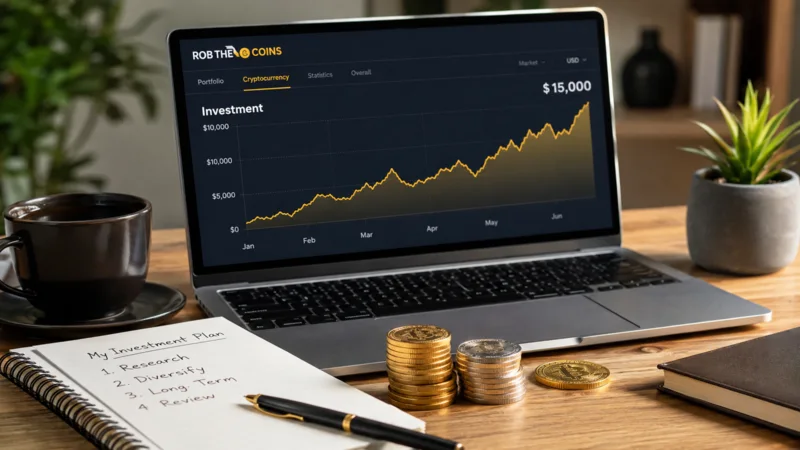
Investing RobTheCoins is a practical approach to understanding investments, financial planning, and wealth creation. Whether you are investing for retirement, building long-term wealth, or simply growing your savings, learning the basics of investing is one of the most valuable financial skills you can develop.
Many beginners believe investing is only for wealthy individuals. In reality, anyone can start investing with a small amount of money by understanding the right strategies and maintaining discipline. Successful investing is not about predicting the market every day. Instead, it focuses on setting financial goals, managing risk, diversifying investments, and staying invested for the long term.
This guide explains everything you need to know about Investing RobTheCoins, including investment options, portfolio building, risk management, common mistakes, and practical tips to become a confident investor.
What Is Investing?
Investing means putting your money into assets that have the potential to increase in value over time. Instead of letting money sit idle, investing allows it to generate returns through capital appreciation, dividends, interest, or rental income.
Common investment assets include:
- Stocks
- Bonds
- Mutual Funds
- Exchange-Traded Funds (ETFs)
- Real Estate
- Gold
- Cryptocurrencies
- Savings Certificates
Every investment carries some level of risk, but proper diversification and asset allocation can help reduce unnecessary risk while supporting long-term financial goals.
Why Investing Matters
Investing helps you:
- Beat inflation
- Build long-term wealth
- Save for retirement
- Generate passive income
- Achieve financial independence
- Fund education expenses
- Purchase a home
- Create financial security
Without investing, your savings may lose purchasing power over time due to inflation.
Investing RobTheCoins Philosophy
The Investing RobTheCoins approach focuses on:
- Long-term investing
- Diversification
- Risk management
- Consistent investing
- Financial education
- Goal-based investing
- Patience instead of speculation
Instead of chasing quick profits, investors focus on building sustainable wealth through informed decisions.
Real Investment Comparison Table
| Investment Type | Expected Risk | Potential Return | Best For | Liquidity |
|---|---|---|---|---|
| High-Yield Savings Account | Very Low | Low | Emergency fund | Very High |
| Government Bonds | Low | Low–Moderate | Conservative investors | Medium |
| Stocks | High | High | Long-term growth | High |
| ETFs | Moderate | Moderate–High | Beginners | High |
| Mutual Funds | Moderate | Moderate | Diversified investing | Medium |
| Real Estate | Moderate–High | Moderate–High | Long-term wealth | Low |
| Gold | Moderate | Moderate | Inflation hedge | Medium |
| Cryptocurrency | Very High | Very High (with significant downside risk) | High-risk investors | High |
Risk and return vary with market conditions, and higher expected returns generally come with higher risk. Diversification and matching investments to your time horizon are widely recommended investing principles.
Setting Financial Goals Before Investing
Before investing, determine your financial objectives.
Examples include:
- Buying a home
- Children’s education
- Retirement planning
- Starting a business
- Building passive income
- Emergency savings
Clear goals help determine your investment strategy and time horizon.
Understanding Risk
Every investment carries risk.
Common investment risks include:
Market Risk
Prices fluctuate due to economic conditions.
Inflation Risk
Inflation reduces purchasing power.
Liquidity Risk
Some investments cannot be sold quickly.
Credit Risk
Bond issuers may fail to repay investors.
Currency Risk
International investments may be affected by exchange rates.
Understanding your personal risk tolerance is an important step before choosing investments.
Importance of Diversification
Diversification means spreading investments across different asset classes rather than relying on a single investment.
Benefits include:
- Lower portfolio volatility
- Reduced company-specific risk
- Better long-term stability
- Improved risk management
A diversified portfolio might include stocks, bonds, cash, and other assets rather than concentrating on one investment.
Types of Investors
Conservative Investor
Prefers stability with lower returns.
Moderate Investor
Balances growth and safety.
Aggressive Investor
Accepts higher risk for greater long-term growth potential.
Popular Investment Options
Stocks
Buying shares means owning a portion of a company.
Advantages:
- High growth potential
- Dividend income
- Easy online trading
Disadvantages:
- Price volatility
- Market risk
ETFs
Exchange-Traded Funds combine multiple investments into one fund.
Advantages:
- Diversification
- Lower costs
- Beginner friendly
- Easy to trade
Mutual Funds
Professionally managed investment funds.
Advantages:
- Expert management
- Diversification
- Automatic investing options
Bonds
Governments and companies issue bonds to borrow money.
Benefits include:
- Stable income
- Lower volatility
- Suitable for conservative investors
Real Estate
Property investing can generate:
- Rental income
- Capital appreciation
- Portfolio diversification
Cryptocurrency
Digital assets such as Bitcoin and Ethereum attract investors seeking higher growth potential but involve substantial price volatility and risk.
Building an Investment Portfolio
A strong portfolio usually includes:
- Stocks
- Bonds
- ETFs
- Cash
- Alternative investments
The appropriate mix depends on your financial goals, investment horizon, and risk tolerance. Regular portfolio reviews and rebalancing help keep investments aligned with those goals.
Common Investing Mistakes
Avoid these mistakes:
- Investing emotionally
- Chasing market trends
- Ignoring diversification
- Timing the market
- Investing without research
- Frequent trading
- Ignoring fees
- Lack of patience
Disciplined, long-term investing is generally more effective than reacting to short-term market movements.
Tips for Successful Investing
- Start early.
- Invest consistently.
- Reinvest earnings when appropriate.
- Diversify investments.
- Review your portfolio regularly.
- Keep learning.
- Maintain a long-term perspective.
- Avoid panic selling during market declines.
Benefits of Long-Term Investing
Long-term investors may benefit from:
- Compound growth
- Reduced trading costs
- Better wealth accumulation
- Less emotional decision-making
- Greater opportunity to recover from market downturns
Investing RobTheCoins for Beginners
If you’re just getting started:
- Define financial goals.
- Build an emergency fund.
- Learn investment basics.
- Start with diversified investments such as broad-market ETFs or mutual funds.
- Invest regularly.
- Monitor progress.
- Stay patient.
Final Thoughts
Investing RobTheCoins is about building wealth through informed decisions rather than chasing quick profits. Successful investing combines financial education, diversification, disciplined saving, and a long-term mindset.
Whether your goal is retirement, financial independence, or creating passive income, consistent investing and proper risk management can help you work toward those objectives. Remember that all investments involve risk, and no strategy guarantees profits. Educating yourself and reviewing your investments periodically can help you make better financial decisions over time.
Frequently Asked Questions (FAQs)
1. What is Investing RobTheCoins?
Investing RobTheCoins is a beginner-focused approach to understanding investing, portfolio building, and long-term wealth creation through informed financial decisions.
2. How much money do I need to start investing?
Many investment platforms allow you to start with relatively small amounts. The most important factor is investing consistently.
3. Is investing risky?
Yes. Every investment carries some level of risk. Diversification and investing according to your goals and risk tolerance can help manage that risk.
4. Which investment is best for beginners?
Diversified ETFs, mutual funds, and broad investment portfolios are commonly considered beginner-friendly because they spread investments across many assets.
5. How long should I invest?
Long-term investing—often five years or more—is generally better suited for growth-oriented assets, though the appropriate timeline depends on your goals.
6. Should I invest every month?
Regular investing can help build discipline and reduce the impact of trying to time the market.
7. Can I lose money while investing?
Yes. Investment values can rise and fall, and losses are possible. Never invest money you may need in the short term.
8. Why is diversification important?
Diversification helps reduce the impact of poor performance from any single investment by spreading risk across different assets.
9. What is the difference between saving and investing?
Saving focuses on preserving money for short-term needs, while investing aims to grow money over the long term with higher potential returns and higher risk.
10. Is Investing RobTheCoins suitable for beginners?
Yes. The Investing RobTheCoins approach emphasizes financial education, disciplined investing, diversification, and long-term planning, making it well suited for new investors.